Bioengineering in Health Unit
Develops and optimizes bioengineering platforms to produce new commercial products focused on the early detection and prevention of metabolic disorders associated with obesity.
What does this unit do?
1. Bioengineering of processes to identify and produce bioactives.
2. Development of medical devices for early detection and monitoring.
3. Engineering of delivery systems and detection of molecules.
4. Generation of clinical interventions that positively impact society.
Products and services developed by the unit
- Selection of novel biomolecules associated with metabolic diseases.
- Medical devices (based on new technologies, user-friendly and accessible) for the early detection and monitoring of metabolic diseases.
- Real-time detection sensors of biomarkers associated with metabolic diseases.
- Improvement of the performance of existing platforms for the early detection and monitoring of metabolic diseases.
- Prevention and treatment strategies for metabolic diseases and their complications.
- Strategies for the prediction and monitoring of risk of metabolic diseases.
Meet the researchers
* About Research Professors: They are principal investigators (PIs) who dedicate 75% of their time to research and 25% of their time to faculty (teaching) activities in the school they are assigned at Tecnológico de Monterrey (in IOR’s case, either the School of Medicine, School of Engineering, or School of Government).
Dr. Omar Lozano García
Unit leader. Research Professor
Design of advanced materials for drug delivery systems and probes, preclinical studies, nanosafety, nano-bio-interactions.
Get to know his work
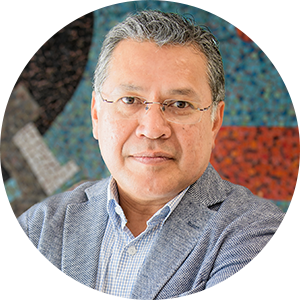
Dr. Marco Antonio Rito Palomares
Director of the Institute for Obesity Research
Development of early detection technologies, drug delivery systems and strategies based on aqueous two-phase systems.
Get to know his work
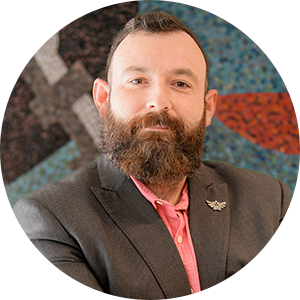
Dr. Jorge Alejandro Benavides Lozano
Research Professor
Bioengineering, Bioprocesses, Bioproduct formulation, Bioactive discovery and characterization, Synthetic biology.
Get to know his work
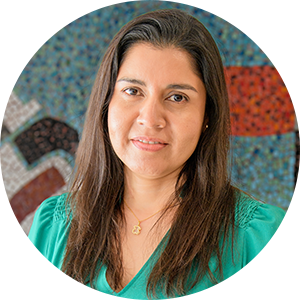
Dr. Karla Patricia Mayolo Deloisa
Research Professor
Specialist in nanoparticle formulation, protein modification and bioprocesses.
Get to know her work
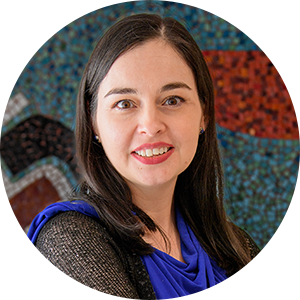
Dr. Mirna Alejandra González González
Research Professor
Development of flexible bioengineering platforms for biomedical applications.
Get to know her work

Dr. David Contreras Loya
Research Professor
PhD in Health Policy. Specializes in health economics, management and organizations, and quantitative methods for causal inference.
Get to know his work

Dr. Pedro Javier Salas Ambrosio
Research Professor
Synthesis of biodegradable, biocompatible, and biomimetic polymers, Modified-release systems (nanometric, self-assembling, and hydrogel systems), Agents with dual-action properties: antimicrobial and anti-inflammatory.
Get to know his work
Postdoctorals researchers
Dr. Ángel León Buitimea
- Drug Discovery
Dr. Laura Catalina Duque Ossa
- Smart hydrogels for controlled obesity treatments
Dr. Roberto Rodríguez Moncayo
- Microfluidics
- Sample preparation
- Functional assays
- Immunoassays
- In vitro diagnostics
Dr. Claudia Bernardette Plata Hipolito
- Experimental and translational immunology
- Biomarker detection and development of immunodiagnostic technologies
- Immunometabolism in gestational diabetes
Dr. Nidya Velasco Roldán
- Social and economic determinants of health across the life course
- Intersectionality and public health
- Demography of aging
Dr. Brenda Melissa Razo
- Gestational diabetes and maternal-fetal metabolic health
- Metabolomics and molecular characterization applied to metabolic diseases
- Exosomal miRNAs and translational biomarkers
- Development of biomedical technologies and point-of-care diagnostics
Latest Works and Publications of the Institute
Laccase–luminol chemiluminescence system: an investigation of substrate inhibition
Phase Angle as a Potential Screening Tool in Adults with Metabolic Diseases in Clinical Practice: A Systematic Review
Strategies for surface coatings of implantable cardiac medical devices
HDL abnormalities in type 2 diabetes: Clinical implications
Recent Developments in Biomarkers for Diagnosis and Screening of Type 2 Diabetes Mellitus
Nanoformulations applied to the delivery of sulforaphane
Modeling and optimization of nanovector drug delivery systems: exploring the most efficient algorithms
TMB vs ABTS: comparison of multi-enzyme-based approaches for the colorimetric quantification of salivary glucose
A review of quercetin delivery through nanovectors: cellular and mitochondrial effects on noncommunicable diseases
Development of a simple and flexible enzyme-based platform for the colorimetric detection of multiple biomarkers in non-conventional biofluids
Meet the other units